

Medical negligence:
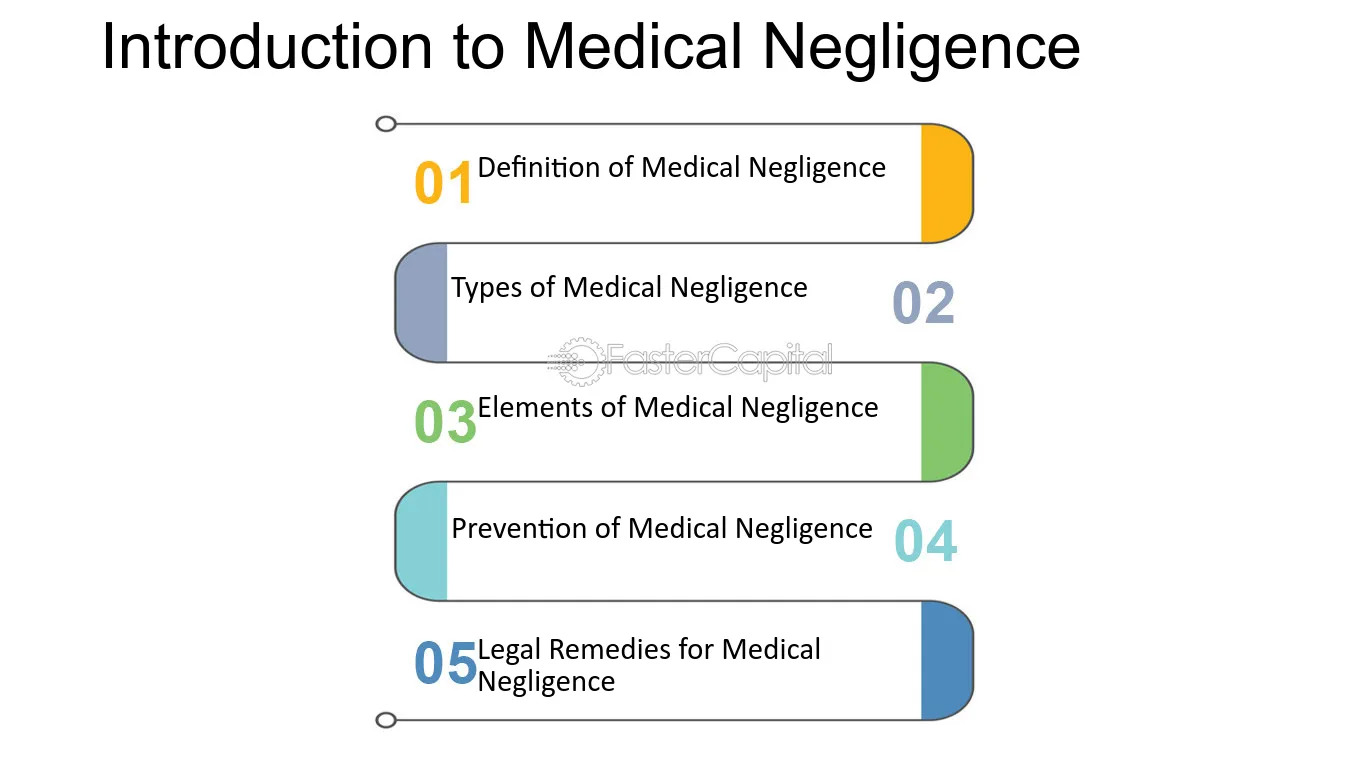
Medical negligence is a term that refers to a healthcare provider's failure to provide proper care and treatment to a patient, resulting in harm or injury. Negligence can occur in any healthcare setting, including hospitals, clinics, nursing homes, and private practices. Medical negligence can be unintentional, but it is still considered a tort, which is a civil wrong that results in harm or injury to another person. Medical negligence can have serious consequences for patients, including physical, emotional, and financial harm.
1. Definition of Medical Negligence:
Medical negligence occurs when a healthcare provider fails to provide the standard of care that a reasonable and prudent provider would provide in similar circumstances. This can include errors in diagnosis, treatment, medication, or surgery. Medical negligence can also occur when a healthcare provider fails to obtain informed consent from a patient before performing a medical procedure.
2. Types of Medical Negligence:
There are different types of medical negligence, including misdiagnosis, delayed diagnosis, surgical errors, medication errors, and birth injuries.
-
Misdiagnosis occurs when a healthcare provider fails to correctly diagnose a patient's condition, leading to incorrect treatment or no treatment at all.
-
Delayed diagnosis occurs when a healthcare provider fails to diagnose a patient's condition in a timely manner, leading to delayed treatment and potential harm.
-
Surgical errors can include wrong-site surgery, leaving surgical instruments inside a patient, or performing an unnecessary surgery.
-
Medication errors can include prescribing the wrong medication or dosage, or failing to monitor a patient's medication use.
-
Birth injuries can occur when a healthcare provider fails to provide proper care during childbirth, leading to harm to the mother or infant.
3. Elements of Medical Negligence:
In order to prove medical negligence, four elements must be present: duty, breach of duty, causation, and damages.
-
Duty refers to the healthcare provider's duty to provide care to the patient.
-
Breach of duty occurs when the healthcare provider fails to provide the standard of care that a reasonable and prudent provider would provide in similar circumstances.
-
Causation refers to the link between the healthcare provider's breach of duty and the patient's harm or injury.
-
Damages refer to the harm or injury that the patient suffered as a result of the healthcare provider's breach of duty.
4. Prevention of Medical Negligence:
Preventing medical negligence requires a commitment to patient safety and quality care. Healthcare providers must;
-
follow established standards of care,
-
obtain informed consent from patients, and
-
communicate effectively with patients and their families.
Healthcare organizations must
-
implement policies and procedures to prevent errors,
-
provide ongoing training and education to staff, and
-
encourage reporting of adverse events.
Legal Remedies for Medical Negligence:
Patients who have been harmed by medical negligence may have legal remedies available to them, including filing a medical malpractice lawsuit.
In a medical malpractice lawsuit, the patient must prove that the healthcare provider breached their duty of care, causing harm or injury to the patient.
Patients may be entitled to compensation for medical expenses, lost wages, pain and suffering, and other damages.
Medical negligence is a serious issue that can have devastating consequences for patients. Understanding the definition, types, elements, prevention, and legal remedies for medical negligence is essential for healthcare providers, patients, and their families. By working together to promote patient safety and quality care, we can reduce the incidence of medical negligence and improve healthcare outcomes for all.
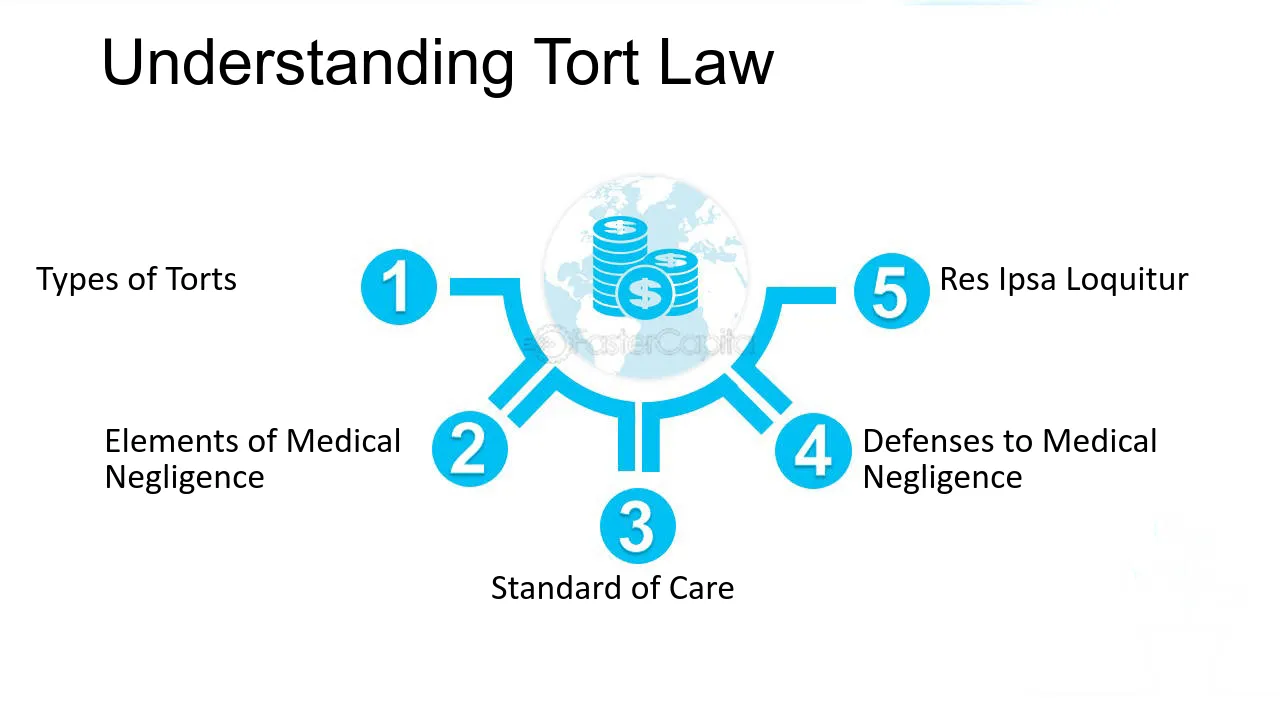
Tort Law
When it comes to understanding tort law, it is important to grasp the concept of negligence, which is the failure to exercise reasonable care. Negligence can occur in various settings, including healthcare, where medical professionals may be held liable for injuries or harm caused to patients due to a breach in the standard of care. In this section, we will delve into the intricacies of tort law and how it applies to medical negligence in healthcare settings.
1. Types of Torts: Torts are categorized into intentional, unintentional, and strict liability.
-
Intentional torts involve actions that are done with the intent to cause harm, such as assault, battery, and defamation.
-
Unintentional torts, on the other hand, are actions that are not intended to cause harm but result in it nonetheless, such as medical malpractice.
-
Strict liability torts involve situations where harm is caused regardless of intent or negligence, such as product liability cases.
2. Elements of Medical Negligence: In order for medical negligence to be proven, four elements must be present: duty, breach of duty, causation, and damages.
-
Duty refers to the obligation of the healthcare provider to provide a standard of care to the patient.
-
Breach of duty occurs when the provider fails to meet that standard of care.
-
Causation establishes a link between the breach of duty and the harm suffered by the patient.
-
damages refer to the harm suffered by the patient as a result of the breach of duty.
standard of care:
The standard of care in medical negligence cases refers to the level of care that a reasonable healthcare provider would have provided in similar circumstances. This is determined by considering the provider's training, experience, and the prevailing medical practices in the relevant field. Failure to meet the standard of care can result in liability for medical negligence.
Defenses to Medical Negligence:
There are several defenses that healthcare providers can use to defend against medical negligence claims. These include contributory negligence (where the patient's own actions contributed to their harm), assumption of risk (where the patient knowingly accepted the risk of the treatment), and the statute of limitations (where the claim is filed after the legal time limit has passed).
res Ipsa loquitur:
This is a legal doctrine that can be used in medical negligence cases where there is no direct evidence of negligence, but the circumstances suggest that it is likely to have occurred. The doctrine states that the thing speaks for itself, and the harm suffered by the patient would not have occurred in the absence of negligence.
Understanding tort law and how it applies to medical negligence in healthcare settings is crucial for both healthcare providers and patients. By understanding the elements of medical negligence, the standard of care, and the various defenses available, healthcare providers can take steps to minimize the risk of liability and provide better care to their patients. On the other hand, patients can better understand their rights and take action if they have suffered harm as a result of medical negligence.
Types of Medical Negligence
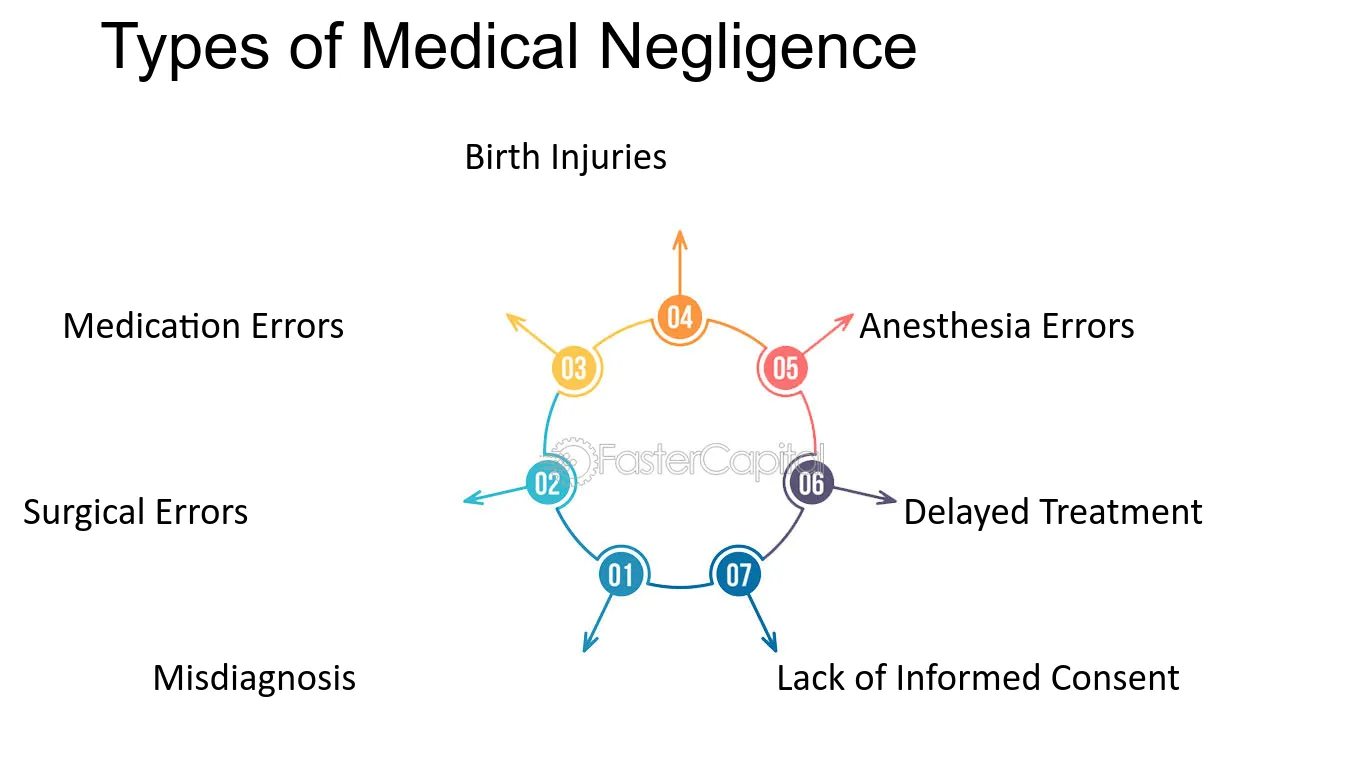
Medical negligence can occur in various forms, and it is crucial for healthcare providers to understand the different types of medical negligence to avoid unintentional torts. Medical negligence can result in severe consequences, including injuries, disabilities, and even death. Therefore, it is essential to identify and prevent medical negligence in healthcare settings.
1. Misdiagnosis
Misdiagnosis is one of the most common types of medical negligence. It occurs when a healthcare provider fails to diagnose a patient's condition accurately. Misdiagnosis can lead to delayed or incorrect treatment, which can cause the patient's condition to worsen. For example, a patient may have cancer that goes undiagnosed, leading to a more advanced and less treatable stage of the disease.
2. Surgical Errors
Surgical errors are another type of medical negligence. They occur when a healthcare provider makes a mistake during a surgical procedure, such as operating on the wrong body part or leaving surgical instruments inside the patient's body. These errors can cause severe complications, including infections, bleeding, and even death.
3. Medication Errors
Medication errors occur when a healthcare provider prescribes the wrong medication or the wrong dosage of medication. These errors can result in adverse reactions, injuries, or even death. For instance, a patient may receive an incorrect dosage of medication, causing an overdose that can lead to severe health complications.
4. Birth Injuries
Birth injuries are medical negligence that occurs during childbirth. They can result in severe complications for both the mother and the child. For instance, a healthcare provider may fail to monitor the fetal heart rate, leading to oxygen deprivation and brain damage to the newborn.
5. Anesthesia Errors
Anesthesia errors occur when a healthcare provider administers too much or too little anesthesia during a medical procedure. These errors can cause severe complications, including brain damage or death.
6. Delayed Treatment
Delayed treatment occurs when a healthcare provider fails to provide timely treatment to a patient. For example, a patient with a heart attack may not receive prompt medical attention, leading to severe heart damage or death.
7. Lack of Informed Consent
Lack of informed consent occurs when a healthcare provider fails to inform the patient about the risks and benefits of a medical procedure. It can result in the patient undergoing a medical procedure without fully understanding the risks involved.
Medical negligence can occur in various forms, and it is crucial for healthcare providers to understand the different types of medical negligence to avoid unintentional torts. Misdiagnosis, surgical errors, medication errors, birth injuries, anesthesia errors, delayed treatment, and lack of informed consent are some of the most common types of medical negligence. Healthcare providers must take all necessary precautions to prevent medical negligence and provide patients with the best possible care.
What's the Difference?
Negligence and malpractice are two legal terms that are often used interchangeably, but they have different meanings. Negligence is a failure to take reasonable care in a situation where a duty of care is owed, while malpractice is a specific type of negligence that occurs when a professional, such as a doctor or lawyer, fails to provide the standard of care that is expected of them. In the context of healthcare, medical negligence is a type of unintentional tort that occurs when a healthcare provider fails to provide the appropriate standard of care, resulting in harm to the patient.
1. Elements of Negligence
Negligence has four elements that must be proven in order to establish liability: duty, breach of duty, causation, and damages. Duty refers to the legal obligation that a healthcare provider has to provide care to a patient. Breach of duty occurs when the healthcare provider fails to provide care that meets the standard of care that is expected of them. Causation refers to the link between the breach of duty and the harm that the patient suffered. Finally, damages refer to the harm that the patient suffered as a result of the healthcare provider's breach of duty.
2. Elements of Malpractice
Malpractice is a specific type of negligence that occurs when a healthcare provider fails to provide care that meets the standard of care that is expected of them, and this failure results in harm to the patient. In order to establish liability for malpractice, the following elements must be proven: duty, breach of duty, causation, damages, and the existence of a professional relationship between the healthcare provider and the patient. This last element is important because it establishes that the healthcare provider had a duty to provide care to the patient, and that the patient relied on the healthcare provider to provide competent care.
3. Examples of Negligence and Malpractice
An example of negligence in a healthcare setting would be if a nurse failed to check a patient's vital signs regularly, and as a result, the patient's condition deteriorated. An example of malpractice would be if a doctor failed to diagnose a patient's cancer in a timely manner, resulting in the cancer spreading and becoming more difficult to treat.
4. Standard of Care
The standard of care is the level of care that a healthcare provider is expected to provide to a patient. This standard is based on what a reasonable and prudent healthcare provider would do in the same or similar circumstances. The standard of care can vary depending on the specific circumstances of a case, such as the patient's age, medical history, and the nature of their illness or injury.
5. Types of Damages
In a medical negligence case, damages can be economic or non-economic. Economic damages include things like medical expenses, lost wages, and the cost of future care. Non-economic damages include things like pain and suffering, emotional distress, and loss of enjoyment of life.
While negligence and malpractice are often used interchangeably, they have different legal meanings. Negligence is a failure to take reasonable care, while malpractice is a specific type of negligence that occurs when a professional fails to provide the standard of care that is expected of them. In healthcare settings, medical negligence can result in harm to patients and can lead to legal action. It is important for healthcare providers to understand the standard of care and to take steps to provide competent care to their patients.
Elements of a Medical Negligence Claim
When it comes to medical negligence claims, there are several elements that must be present in order for the claim to be valid and successful in court. These elements are essential to prove that the healthcare provider acted negligently and caused harm to the patient. In this section, we will discuss the elements of a medical negligence claim in detail.
1. Duty of care: The first element that must be established in a medical negligence claim is the duty of care. This means that the healthcare provider had a legal obligation to provide a certain standard of care to the patient. This duty of care is based on the relationship between the healthcare provider and the patient, and the nature of the treatment provided.
2. Breach of duty: The second element of a medical negligence claim is the breach of duty. This means that the healthcare provider failed to provide the required standard of care to the patient. The breach of duty can be due to an action or omission by the healthcare provider.
For example, if a surgeon fails to properly sterilize their equipment before performing surgery, they have breached their duty of care to the patient. Similarly, if a nurse administers the wrong medication to a patient, this would also be a breach of duty.
3. Causation: The third element of a medical negligence claim is causation. This means that the breach of duty by the healthcare provider caused the harm or injury to the patient. The harm or injury must have been a direct result of the healthcare provider's breach of duty.
For example, if a patient suffers from an infection after surgery due to the surgeon's failure to properly sterilize their equipment, the infection can be directly linked to the surgeon's breach of duty.
4. Damages: The fourth and final element of a medical negligence claim is damages. This means that the patient suffered harm or injury as a result of the healthcare provider's breach of duty. The harm or injury can be physical, emotional, or financial.
For example, if a patient suffers from a permanent disability due to a surgeon's negligence, they may be entitled to compensation for their medical expenses, lost wages, and pain and suffering.
Overall, it is important to note that all four elements of a medical negligence claim must be present in order for the claim to be successful. It is also important to consult with a qualified attorney who specializes in medical negligence claims to determine the best course of action for your specific case.
Common Examples of Medical Negligence
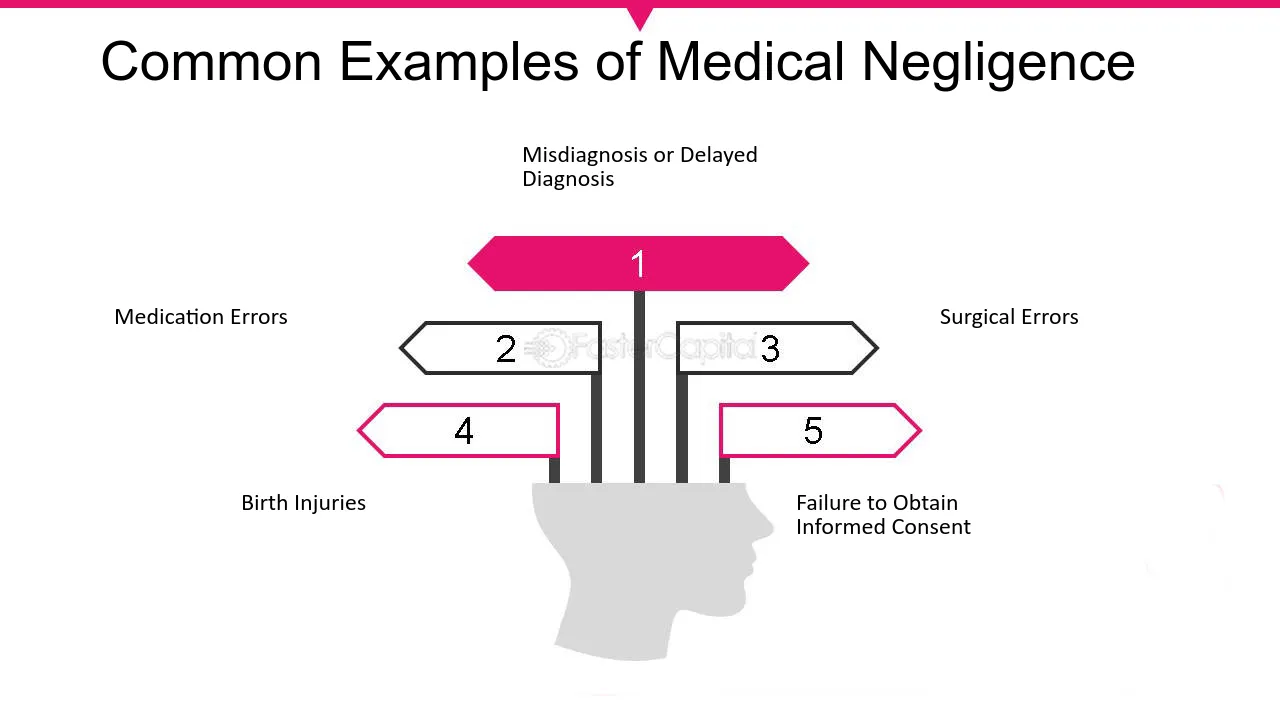
One of the most significant risks in healthcare settings is medical negligence. Medical negligence is the failure of healthcare providers to meet the standard of care expected of them, resulting in harm or injury to the patient. Despite the best efforts of healthcare providers, medical negligence can happen due to a variety of reasons. In this section, we will discuss some common examples of medical negligence.
1. Misdiagnosis or Delayed Diagnosis
Misdiagnosis or delayed diagnosis is one of the most common types of medical negligence. It occurs when a healthcare provider fails to diagnose a patient's condition accurately or delays the diagnosis, resulting in delayed treatment or inappropriate treatment. For example, a doctor might misdiagnose a patient with a stomach ache when they are suffering from appendicitis, or fail to diagnose a patient with cancer until it is too late.
2. Medication Errors
Medication errors can occur due to prescribing the wrong medication or dosage, administering the wrong medication or dosage, or failing to recognize a patient's allergic reactions. Medication errors can cause severe harm or even death to the patient. For example, a nurse might administer the wrong medication to a patient due to a miscommunication between healthcare providers.
3. Surgical Errors
Surgical errors can happen due to a variety of reasons, such as inadequate planning, poor communication among healthcare providers, or inadequate training. Surgical errors can cause severe harm or death to the patient. For example, a surgeon might operate on the wrong body part or leave a surgical instrument inside the patient's body.
4. Birth Injuries
Birth injuries can occur during childbirth due to medical negligence. For example, a healthcare provider might fail to monitor the fetus's oxygen levels properly, leading to brain damage or cerebral palsy.
5. Failure to Obtain Informed Consent
Informed consent is the process of obtaining permission from the patient to perform a medical procedure or treatment. Failure to obtain informed consent can result in medical negligence. For example, a healthcare provider might perform a surgery on a patient without obtaining their proper consent.
Medical negligence can have severe consequences for patients and their families. Healthcare providers must take all necessary precautions to avoid medical negligence by following the standard of care expected of them. Patients must also be aware of their rights and take action if they believe they have been a victim of medical negligence.
The Impact of Medical Negligence on Patients
Impact on the Medical
Medical negligence is a serious issue that can have a profound impact on patients. When healthcare professionals fail to provide the appropriate level of care, patients can suffer a range of physical, emotional, and financial consequences. In this section, we will examine the impact of medical negligence from different perspectives and explore some of the ways in which patients can seek justice and support.
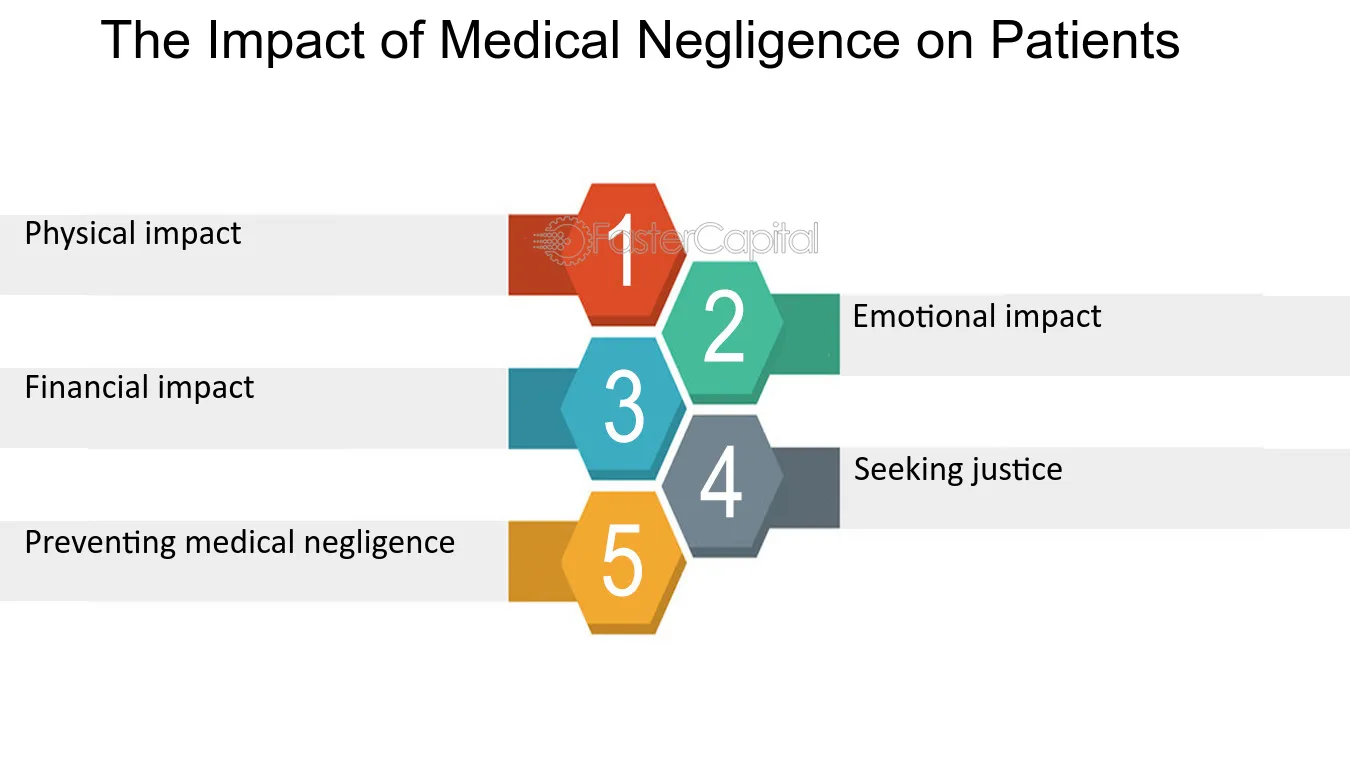
1. Physical impact: One of the most obvious consequences of medical negligence is physical harm to the patient. This can include misdiagnosis, surgical errors, medication errors, and other types of mistakes that can result in serious injury or even death. For example, a patient who receives the wrong medication or dosage may experience adverse reactions or complications that can be life-threatening. In some cases, patients may require additional medical treatment or surgery to correct the damage caused by medical negligence.
2. Emotional impact: In addition to physical harm, medical negligence can also have a significant emotional impact on patients. Patients who have suffered harm due to negligence may experience anxiety, depression, PTSD, and other mental health issues. They may also feel a sense of betrayal or mistrust towards healthcare professionals. For example, a patient who has been misdiagnosed with a serious illness may experience intense fear and anxiety, even after the correct diagnosis is made.
3. Financial impact: Medical negligence can also have a significant financial impact on patients and their families. Patients may incur additional medical expenses, lost income, and other costs associated with their injuries. They may also need to pay for ongoing medical treatment and rehabilitation. In some cases, patients may be unable to work or may require long-term care, which can result in significant financial strain.
4. Seeking justice: Patients who have suffered harm due to medical negligence have several options for seeking justice. They may file a medical malpractice lawsuit, which can help them recover compensation for their injuries, lost income, and other damages. Patients may also report the negligence to the appropriate regulatory bodies or seek support from patient advocacy organizations.
Preventing medical negligence:
While patients can take steps to seek justice after medical negligence has occurred, preventing these incidents from happening in the first place is crucial. Healthcare professionals and organizations can take steps to improve patient safety and reduce the risk of negligence. This can include implementing quality control measures, providing ongoing training and education for staff, and promoting a culture of transparency and accountability.
Medical negligence can have a profound impact on patients, both physically and emotionally. Patients who have suffered harm due to negligence have several options for seeking justice and support, including filing a medical malpractice lawsuit and seeking help from patient advocacy organizations. However, preventing medical negligence from occurring in the first place is crucial, and healthcare professionals and organizations must take steps to improve patient safety and reduce the risk of negligence.
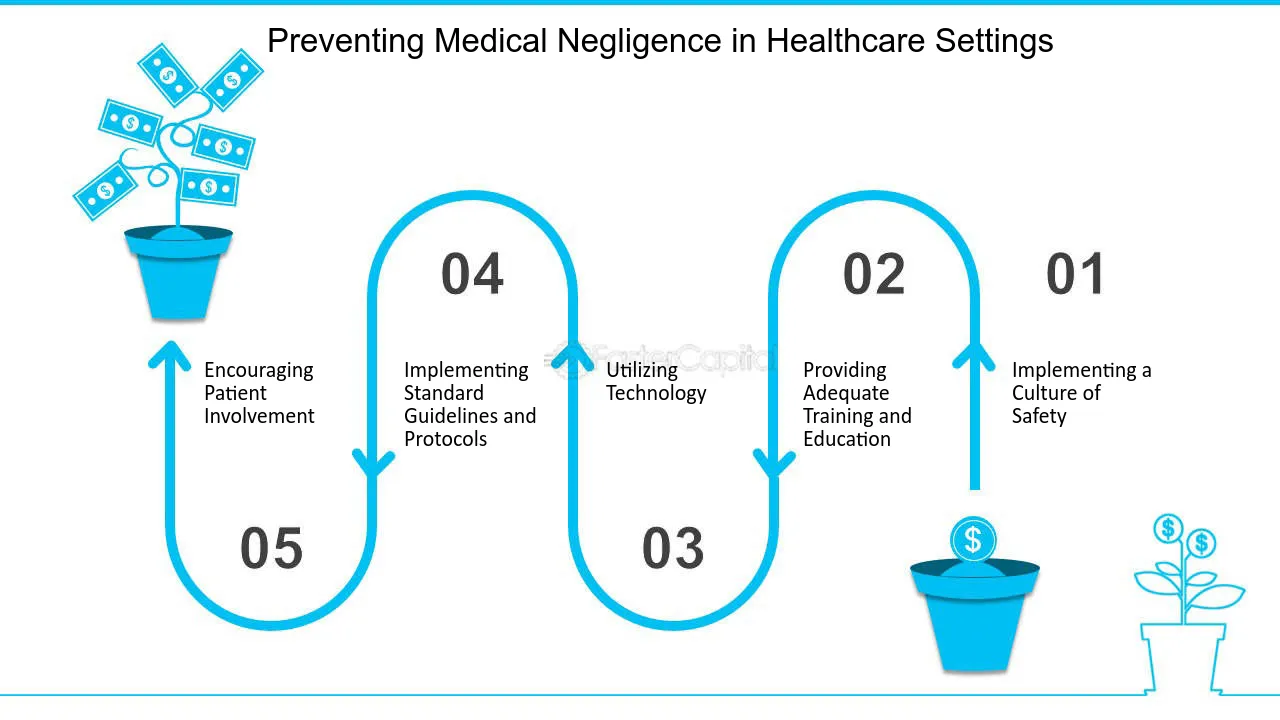
Medical negligence is a serious issue that has been plaguing healthcare settings for decades. It is an unintentional tort that occurs when healthcare providers fail to provide the expected standard of care to their patients, leading to harm or injury. Medical negligence can occur in various forms such as misdiagnosis, delayed diagnosis, medication errors, surgical errors, and more. However, it is preventable if healthcare professionals take the necessary precautions and follow the standard guidelines. In this section, we will discuss the measures that can be taken to prevent medical negligence in healthcare settings.
1. Implementing a Culture of Safety
A culture of safety is a vital component in preventing medical negligence. It involves creating an environment where healthcare providers are encouraged to report errors and near-misses without fear of retribution. It also involves promoting teamwork, communication, and transparency among healthcare providers. By implementing a culture of safety, healthcare providers can learn from their mistakes and take steps to prevent them from happening in the future.
2. Providing Adequate Training and Education
Healthcare providers should receive adequate training and education to ensure they are competent in their field. Providing ongoing training and education can help healthcare providers stay up-to-date on the latest medical advancements and guidelines. It can also help them recognize potential errors and take steps to prevent them. For example, providing training on medication administration can help prevent medication errors.
3. Utilizing Technology
Technology can play a significant role in preventing medical negligence. Electronic health records (EHRs) can help healthcare providers access patient information quickly and accurately. It can also help prevent medication errors by providing alerts for potential drug interactions. Additionally, technology such as barcode scanning can help prevent medication errors by ensuring the right medication is given to the right patient.
4. Implementing Standard Guidelines and Protocols
Standard guidelines and protocols can help prevent medical negligence by providing healthcare providers with a set of procedures to follow. For example, implementing protocols for surgical procedures can help prevent surgical errors. Guidelines for medication administration can help prevent medication errors. It is important to ensure that healthcare providers are aware of these guidelines and protocols and adhere to them.
5. Encouraging Patient Involvement
Encouraging patient involvement can help prevent medical negligence by providing healthcare providers with additional information about the patient. Patients can provide information about their medical history, allergies, and current medications that can help prevent errors. Additionally, involving patients in their care can help prevent miscommunication and ensure that the patient understands their treatment plan.
Medical negligence is a serious issue that can have devastating consequences for patients. However, it is preventable if healthcare providers take the necessary precautions and follow the standard guidelines. By implementing a culture of safety, providing adequate training and education, utilizing technology, implementing standard guidelines and protocols, and encouraging patient involvement, healthcare providers can prevent medical negligence and provide safe and effective care to their patients.
9. Conclusion and Final Thoughts
Medical negligence is a serious issue that can have devastating consequences for patients and healthcare providers alike. As we have explored in this blog, medical negligence can take many forms, from misdiagnosis to surgical errors, and can occur in a variety of healthcare settings. Despite efforts to reduce medical errors, the incidence of medical negligence remains high. In this final section, we will summarize our findings and offer some final thoughts on the topic.
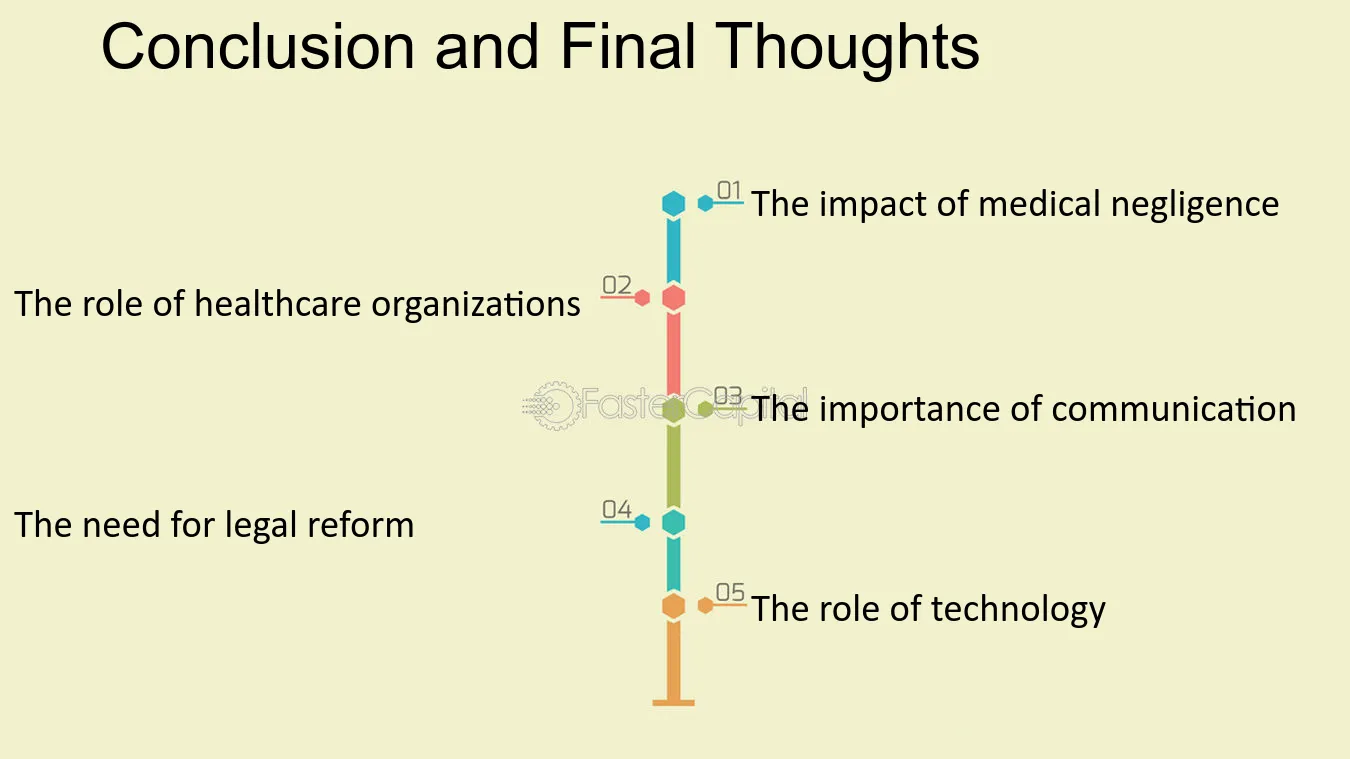
1. The impact of medical negligence
Medical negligence can have a profound impact on patients and their families. In addition to physical harm, medical negligence can cause emotional and financial distress, as well as a loss of trust in the healthcare system. Healthcare providers may also suffer as a result of medical negligence, facing legal action, professional censure, and damage to their reputation. It is therefore crucial that healthcare providers take steps to prevent medical negligence and address it when it occurs.
2. The role of healthcare organizations
Healthcare organizations have an important role to play in preventing medical negligence. This includes implementing policies and procedures to reduce the risk of errors, providing training and education to staff, and creating a culture of safety and accountability. Healthcare organizations should also have systems in place to investigate incidents of medical negligence and take appropriate action, such as offering compensation to affected patients.
3. The importance of communication
effective communication is essential in preventing medical negligence. This includes clear and accurate documentation of patient information, communication between healthcare providers, and communication with patients and their families. Patients should be informed about their medical condition, treatment options, and potential risks and benefits, and should be encouraged to ask questions and raise concerns.
4. The need for legal reform
There is a growing recognition of the need for legal reform to better address medical negligence. This includes reforms to the legal system to make it easier for patients to pursue compensation for harm caused by medical negligence, as well as reforms to the healthcare system to promote transparency and accountability. Some countries have implemented no-fault compensation schemes, which provide compensation to patients without the need for legal action.
5. The role of technology
Technology has the potential to play a significant role in reducing medical negligence. This includes the use of electronic medical records to improve communication and reduce errors, the use of decision support systems to aid in diagnosis and treatment, and the use of simulation and training tools to improve the skills of healthcare providers. However, technology also presents its own challenges, including concerns about data privacy and security, and the need for ongoing training and support for healthcare providers.
Medical negligence is a complex issue that requires a multifaceted approach to address. Healthcare organizations, healthcare providers, patients, and policymakers all have a role to play in preventing medical negligence and addressing it when it occurs. By working together, we can improve the quality and safety of healthcare for all.
- Teacher: Nafisa Abad
- Teacher: Abdulfatah Adan
- Teacher: Proscovia Adema
- Teacher: Proscovia Adema
- Teacher: Chweya Alex
- Teacher: FRANCIS AMAYA
- Teacher: Karanja Amos
- Teacher: Kaapei Arnold
- Teacher: Violet Aswa
- Teacher: Violet Aswa-Akeck
- Teacher: Clevin Aswani
- Teacher: Dr John Aswani
- Teacher: Michael Aya
- Teacher: Rose Bartonjo
- Teacher: Hillary Bett
- Teacher: ANDISON KIPNGETICH BII
- Teacher: David C. Cheboi
- Teacher: Martin chelanga
- Teacher: Valentine Chepkemoi
- Teacher: Emily chepkirui
- Teacher: Melody Chepkirui
- Teacher: Dr Peter Cherutich
- Teacher: RiziKI Chikophe
- Teacher: Esther Daudi
- Teacher: Galgallo Abduba Dokata
- Teacher: chelagat Eddis
- Teacher: Lucy Gachane
- Teacher: kenneth gatobu
- Teacher: C Gekara
- Teacher: Dickson Gikonyo
- Teacher: Samuel Giteru
- Teacher: Hellen Gwaliamba
- Teacher: Mohamed Boi Hache
- Teacher: Ibrahim Hassan
- Teacher: Rachael Ireri
- Teacher: Eddah Jepkorir
- Teacher: Ruth Nyamalo Kaanto
- Teacher: Hassan kalicha
- Teacher: Caroline Kanyingi
- Teacher: Amos Karanja
- Teacher: James Karanja
- Teacher: Sylvano Katayi
- Teacher: Faith Katee
- Teacher: John Kausya
- Teacher: John Kausya
- Teacher: Rotich Kelvin
- Teacher: Daniel Kertich
- Teacher: MATHEW KETTER
- Teacher: Kennedy Kiambati
- Teacher: Evans Kibet
- Teacher: ROBERT NJOROGE KIHUGU
- Teacher: Michael Kikuvi
- Teacher: EDMUND KIMAIGA
- Teacher: VICTORIA KIMANI
- Teacher: Mathew Sila Kimeu
- Teacher: Patrick Kimutai
- Teacher: Daniel Kimwetich
- Teacher: DICKSON G. KINYUA
- Teacher: John Kinyua
- Teacher: Moreen KIPKEMOI
- Teacher: Thomas Kipkerich
- Teacher: Geoffrey Kipkoech
- Teacher: Judith Chebet Kiprono
- Teacher: John Kirui
- Teacher: JOHN KIPKORIR KIRUI
- Teacher: Philip Kithonga
- Teacher: Philip Kithonga
- Teacher: Mulwa Kithuku
- Teacher: Samuel Kiurire
- Teacher: James Kivevo
- Teacher: Alice Kivindyo
- Teacher: Wilson kivuti
- Teacher: Dr. Collins Owuor Kogoma
- Teacher: Geoffrey Korir
- Teacher: HILLARY KOSGEY
- Teacher: Jacob Kumuti
- Teacher: Jonathan Kunguru
- Teacher: Franco Kuria
- Teacher: Timon Kwach
- Teacher: Dr.Gordon Kweto
- Teacher: Nicholas Kwinga
- Teacher: JOYCE KYALO
- Teacher: Zipporah Kyalo
- Teacher: MOSES LAGAT
- Teacher: Thomas leteipa
- Teacher: EDWARD LETTING
- Teacher: Hans Libamila
- Teacher: Machuki Lloyd
- Teacher: Sang lyton
- Teacher: Benedict m.Nzovo
- Teacher: Patrick N Macharia
- Teacher: Moses Magiri
- Teacher: Moses Magiri
- Teacher: Julius Maina
- Teacher: Jamaliya N. Majeed
- Teacher: Evans Malo
- Teacher: Dr. Lucy Manyara
- Teacher: Ibrahim Marwa
- Teacher: william mayamba
- Teacher: EVANS WEKESA MBAISI
- Teacher: JANE W. MBATIA
- Teacher: Aaron Mbela
- Teacher: Joseph Njoroge Mburu
- Teacher: CAROL MEME
- Teacher: Irine Mocheche Mesa
- Teacher: Dr Amenya Michieka
- Teacher: Julie minayo
- Teacher: ANDERSON MWENDA MIRITI
- Teacher: Duncan Mutugi Miriti
- Teacher: Ferious Mitei
- Teacher: Clifford Mocha
- Teacher: Caroline Mramba
- Teacher: Christopher G. Mramba
- Teacher: Charlotte Luvuno Mruche
- Teacher: Dr Nzau Muange
- Teacher: SIMON MWAURA MUCHOKI
- Teacher: Pamela Mugambi
- Teacher: Ruth Mugure
- Teacher: Felistus Muinde
- Teacher: joseph muinga
- Teacher: Janet Mukelule
- Teacher: Janet Mukelule
- Teacher: George Njenga Mukuria
- Teacher: D Mulwa
- Teacher: Dennis Mwangi Muriuki
- Teacher: Paul Chandoo Musango
- Teacher: Vincent Musungu
- Teacher: Vincent Musungu
- Teacher: ALLOYS MUSUYA
- Teacher: Arnold Musyimi
- Teacher: Joyce Musyimi
- Teacher: Christine Kendi Muthamia
- Teacher: Stephen Muthuvi
- Teacher: Dr Dorothy Mutie
- Teacher: Lucia mutindi
- Teacher: Redempta Mutisya
- Teacher: CAROLINE MUTUA
- Teacher: Jacklyne Mutua
- Teacher: Abednego Mutuku
- Teacher: SYLVESTER MUTUKU
- Teacher: M Mwaisakenyi
- Teacher: KENNETH NAKUNZA MWAMBILA
- Teacher: HELLEN NYAMBURA MWANGI
- Teacher: MARGARET MUTHEU MWANZA
- Teacher: Elina Mwazo
- Teacher: ELINAH MWAZO
- Teacher: Dr. Anne C Mwendwa
- Teacher: M Mweru
- Teacher: EVA MWIKA
- Teacher: Caroline Nabwire
- Teacher: Emma Namulala
- Teacher: Moses Ndanyi
- Teacher: SILAS MKOMBE NDEJE
- Teacher: Abigael Ndinda
- Teacher: Gilbert Ndirangu
- Teacher: Grace Ndiritu
- Teacher: Gladys Ndung'u
- Teacher: ANGELO NDWIGAH
- Teacher: JOASH NG'IELA
- Teacher: DECLAN NGANYAO
- Teacher: Leah Ngare
- Teacher: Faith Ngui
- Teacher: David Ngunjiri
- Teacher: SIELE KIPKIRUI NICKSON
- Teacher: KIPRUTO NICODEMUS
- Teacher: John Melau Nina
- Teacher: Patrick N Njagi
- Teacher: Robert N Njaramba
- Teacher: Veronica Wacu Njaramba
- Teacher: ANDREW MURITU NJENGA
- Teacher: Jackline Njeru
- Teacher: M Njeru
- Teacher: Nicholas Njeru
- Teacher: Nicholas Kariuki Njeru
- Teacher: Morris Njoe
- Teacher: Peter kimani Njogu
- Teacher: Doris Njoroge
- Teacher: A Nur
- Teacher: Jane Nyaga
- Teacher: KHADIJA NYAGAKA
- Teacher: kennedy nyagweso
- Teacher: Louise Nyakango
- Teacher: Edwin Nyakundi
- Teacher: Edwin Nyakundi
- Teacher: Moses Nyawanga
- Teacher: benedict Nzovo
- Teacher: Nicholas Ochieng
- Teacher: Robert Ochieng
- Teacher: edwin odhiambo
- Teacher: Bernard H. Ogoma
- Teacher: Godfrey ogulla
- Teacher: Carey Francis Okinda
- Teacher: Peter Juma Okoth
- Teacher: Wilson Kimori Omariba
- Teacher: Catherine Omasaja
- Teacher: Emmanuel Omenya
- Teacher: erick omondi
- Teacher: joseph omumaram
- Teacher: MARTHA ONDARI
- Teacher: Henry Katua Onesmus
- Teacher: risper onyango
- Teacher: Oliver young osiema
- Teacher: Aisha Osman
- Teacher: MICHAEL OTIENO
- Teacher: Olgah Otieno
- Teacher: Robert Otieno Otieno
- Teacher: F Ouko
- Teacher: David Ousu
- Teacher: Oyale Oyale Warren
- Teacher: SPENCER OPIYO OYUGI
- Teacher: Ali Oyuyo
- Teacher: NGENO PATRICK
- Teacher: Kamar philip
- Teacher: Linus Pyego
- Teacher: Kennedy Rateng
- Teacher: TWINNET RIUNGU
- Teacher: Mogire David Robbins
- Teacher: Mogire David Robbins
- Teacher: W Ruto
- Teacher: Wycliffe Ruto
- Teacher: NOAH M. SAMBURU
- Teacher: HUDSON MEGAN SHINALI
- Teacher: Edward Wakoli Shitoshe
- Teacher: CRESCENTIA ITOLONDO SHYANGUYA
- Teacher: Crescentia Itolondo Shyanguya
- Teacher: Benard Siwa
- Teacher: Albert Taiti
- Teacher: Benjamin Thairu
- Teacher: LEONIDA TOROITICH
- Teacher: Joseph Tsuma
- Teacher: Miriti Victor
- Teacher: Felistus Vinji
- Teacher: FELISTUS TRUPHOSA VINJI
- Teacher: Albert Vuhasho
- Teacher: Gilbert Waburiri
- Teacher: David Wafula
- Teacher: LILLY O. WAKHUNGU
- Teacher: Emily Wanja
- Teacher: Beth Wamburu Wanyoike
- Teacher: Linet Warui
- Teacher: GERALD MURIITHI WERU
- Teacher: kenneth yatich
- Teacher: David Yator