

Click here to access Unit one Content..
- View
- Go through the activity to the end
Topic One: introduction to biochemistry
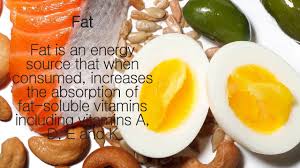
Biochemistry is the science of the atoms and molecules in living organisms. Its domain encompasses all the living world with the unifying interest in the chemical structures and reactions that occur in living systems. Biochemistry essentially remains the study of the structure and functions of cellular components such as Enzymes and cellular organelles and the processes carried out both on and by the macromolecules – Carbohydrates, Fats and especially the Proteins, Vitamins etc.
· The goal of biochemists is to describe in molecular terms the structures, Mechanisms and chemical processes shared by all organisms, providing organizing principles that underlie life in all its diverse forms.
· Biochemistry plays a vital role in making a person’s life better in every possible way. The applied disciplines of biochemistry are more valuable for the benefits of peoples. It plays an important role in explaining the possible causes of various diseases or disorders and also their ideal treatment.
· Moreover, the knowledge of biochemistry is also important in diagnosing a disease by estimating the level of various biomolecules like Enzymes, Hormones, Lipids, and Proteins etc. in the body by which a Pathologist can easily understand the root of disease and therefore implementing the ideal treatment strategy for the complete cure of disease.
· In the modern era, people rely on taking various supplements like Multivitamins, Minerals, and Protein shakes etc. for better health in the hectic schedule. All the functions and proper intake of these supplements can only be described in the biochemistry after analyzing the body composition of the person and the need of these supplements for them and thereafter prescribing the ideal supplements to them.
· So, Clinical biochemistry plays a vital role in medical science by giving the proper knowledge of biochemical processes that are going on in normal as well as pathological conditions in a living body, their diagnostic methods and ideal treatments for the complete cure of pathological conditions.
Role of biochemistry in provision of energy and synthesis of various substances
· Human beings are chemotrophs in that they obtain their free energy by oxidizing organic compounds (carbohydrates, lipids, proteins).
· The organic compounds are converted to a common intermediate acetyl-CoA whose acetyl group is then converted to CO2 and H2O through the action of the citric acid cycle and oxidative phosphorylation.
· To maintain health, there should be an optimal intake of a number of these biomolecules and therefore understanding of proper nutrition will depend on a greater aspect on the knowledge of biochemistry.
· Metabolism generates energy as adenosine triphosphate (ATP), reducing power, and building blocks for biosynthesis. ATP is the universal currency of energy with a high phosphoryl-transfer potential and is generated from the oxidation of fuel molecules and its hydrolysis drives reactions by changing the equilibrium of coupled reactions.
Role of hormones in regulation of metabolism
Body hormone take part in the oxidation of fuel molecules(degradative) that generates reducing power in the form of:
- NADH for mitochondrial electron transport chain
- NADPH for biosynthetic processes