PCM 213 : Principles of Cancer Management II

This module suitably done after you have covered principles of cancer management I. the module has three units requiring a total of at least in 10 hours each to complete


This module suitably done after you have covered principles of cancer management I. the module has three units requiring a total of at least in 10 hours each to complete
Instructions: Clicking on the section name will show / hide the section.
 Module Competency
This module is designed to enable the learner utilize chemotherapy, surgery and radiotherapy in the management of patients with cancers.
This is a first year module design to introduce learners to the course cancer management. It includes cancer management by surgery,radiotherapy and chemotherapy
1. Apply principles in radiation, surgery and chemotherapeutics in the treatment of patients with cancer
2. Prescribe and administer chemotherapeutic drugs in treatment of patients with cancers
3. Explain the side effects of chemotherapy, radiotherapy and surgery in management of patients with cancers
4. Prepare patients for chemotherapy radiotherapy and surgical intervention
5. Manage adverse reactions arising from various treatment
The tutors who will take you through this module are Mr. Patrick Macharia Dr. Penninah and Mr Towet .In case of any queries, can be reached through pmacharia@kmtc.ac.ke. The tutor’s office is clinical medicine staff’s office.
However, if you have a technical problem relating to interacting with the platform, you can write an email to elearning@kmtc.ac.ke.(i) Main Tasks that comprise of quizzes and written assignment
(ii) Sub tasks that comprise group discussion and clinical logs.
a) IntroductionCancer treatment can be achieved using various modalities that is; surgery, radiotherapy, targeted therapy and chemotherapy .in this unit will learn cancer treatment using chemo therapeutics. |
 |
|
|
|
|
b) Unit ObjectivesBy the end of this unit you will have learned what chemotherapy is classification mode of action side effects and management of un desired effects |
 |
|
|
|
|
c) Unit Learning Requirements
|
 |
|
|
|
|
a) Review Questions/Unit Activity knowledge of cell behavior has lend to invention newer drugs that are are more specific in terms of mode of action compared to older generation, which cell properties can also be explored to target cancer management ? |
 |
|
|
|
|
b) Performance Tasks (i) Main Tasks Draw cell cycle (ii) Sub -Tasks indicate at least two drugs specific to G1 G2 and S Phases |
 |
|
|
|
a) IntroductionCancer treatment employs various modes of treatment and surgery is one of them in this unit you will learn risks and benefits and indications
|
 |
|
|
|
|
b) Unit Objectives
By the end of this unit you will have learned, indication of surgery, adjuvant and neo adjuvant role and side effects of surgical procedures on cancer patients |
 |
|
|
|
|
c) Unit Learning Requirements
|
 |
|
|
|
a) Review Questionslist cancers that are treated by surgery as the primary modality |
 fab fa-twitter-square fab fa-twitter-square |
|
|
|
|
b) Performance Tasks (i) Main Tasks [The lecturer will provided further instructions on this in addition to the provided tools below...](ii) Sub -Tasks [Discussion forum tool and chat tool below will be used for carrying out group work..] |
 |
|
|
|
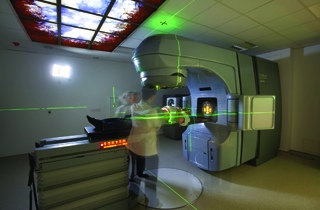
a) IntroductionRadiation therapy is a type of cancer treatment that uses beams of intense energy to destroy cells, this unit introduces you to principles of cancer management building on knowledge you have on radiology. |
 |
|
|
|
|
b) Unit Objectives
By the end of this unit you will have learned, what radiotherapy is, terms used, types, indications and side effects on cancer patients |
 |
|
|
|
|
c) Unit Learning Requirements
|
 |
|
|
|
a) Review Questionswhy are slow growing tumors regarded as chemo resistant? |
 |
|
|
|
|
b) Performance Tasks (i) Main Tasks [The lecturer will provided further instructions on this in addition to the provided tools below...](ii) Sub -Tasks [Discussion forum tool and chat tool below will be used for carrying out group work..] |
 |
|
|
|
a) IntroductionWhen providing services the nutrition and dietetics practitioners adheres to the core values customer focus, integrity innovation social responsibility and diversity. They are guided by standards and ethics as discussed below. |
 |
|
|
|
|
b) Unit Objectives
By the end of this unit, you shall be able to;
|
 |
|
|
|
|
c) Unit Learning Requirements
|
 |
|
|
|
a) Review Questions
|
 |
|
|
|
|
b) Performance Tasks (i) Main Tasks [The lecturer will provided further instructions on this in addition to the provided tools below...](ii) Sub -Tasks [Discussion forum tool and chat tool below will be used for carrying out group work..] |
 |
|
|
|
a) IntroductionThe food we eat has a significant impact on our health. Changes in diet can help prevent or control many health problems, including diabetes, cancer and heart disease. There new knowledge that has helped improve lifestyle. |
 |
|
|
|
|
b) Unit Objectives
By the end of this unit, the learner shall be able to;
|  |
|
|
|
|
c) Unit Learning Requirements
|
 |
|
|
|
a) Review Questions
|
 |
|
|
|
|
b) Performance Tasks (i) Main Tasks [The lecturer will provided further instructions on this in addition to the provided tools below...](ii) Sub -Tasks [Discussion forum tool and chat tool below will be used for carrying out group work..] |
 |
|
|
|
a) IntroductionNutritional requirements need to be known in order to assess or monitor the adequacy of nutrient intake and provision of nutritional support. Dietary reference values provide guidance on the nutritional needs of a particular group of healthy population but have limited applications to individuals. Also important to note that diet reference values provide a yard stick as to level of energy and nutrients required but additional means of estimating the needs of a particular individual are likely to be needed. |
 |
|
|
|
|
b) Unit Objectives
By the end of this unit, you will have achieved the following objectives;
|
 |
|
|
|
|
c) Unit Learning Requirements
|
 |
|
|
|
a) Review Questions
|
 |
|
|
|
|
b) Performance Tasks (i) Main Tasks [The lecturer will provided further instructions on this in addition to the provided tools below...](ii) Sub -Tasks [Discussion forum tool and chat tool below will be used for carrying out group work..] |
 |
|
|
|
a) IntroductionNutrient requirements are influenced by a combination of performance potential and feed intake. The nutrient concentration in the diet is adjusted according to feed intake to meet the requirements during each stage of production. Providing diets with nutrient levels below the requirements results in sub-optimal performance, whereas feeding nutrients above the requirements increases feed cost and nutrient excretion. Thus, in order to ensure optimal production at an economical cost, it is important to understand the factors involved in nutrient requirement estimates and adjust the diet accordingly. |
 |
|
|
|
|
b) Unit Objectives
By the end of this unit, the learner shall be able to;
|
 |
|
|
|
|
c) Unit Learning Requirements
|
 |
|
|
|
a) Review Questions
|
 |
|
|
|
|
b) Performance Tasks (i) Main Tasks [The lecturer will provided further instructions on this in addition to the provided tools below...](ii) Sub -Tasks [Discussion forum tool and chat tool below will be used for carrying out group work..] |
 |
|
|
|
a) IntroductionNutrient requirements are influenced by a combination of performance potential and feed intake. The nutrient concentration in the diet is adjusted according to feed intake to meet the requirements during each stage of production. Providing diets with nutrient levels below the requirements results in sub-optimal performance, whereas feeding nutrients above the requirements increases feed cost and nutrient excretion. Thus, in order to ensure optimal production at an economical cost, it is important to understand the factors involved in nutrient requirement estimates and adjust the diet accordingly. |
 |
|
|
|
|
b) Unit Objectives
By the end of this unit, the learner shall be able to;
|
 |
|
|
|
|
c) Unit Learning Requirements
|
 |
|
|
|
a) Review Questions
|
 |
|
|
|
|
b) Performance Tasks (i) Main Tasks [The lecturer will provided further instructions on this in addition to the provided tools below...](ii) Sub -Tasks [Discussion forum tool and chat tool below will be used for carrying out group work..] |
 |
|
|
|
a) IntroductionNutrient requirements are influenced by a combination of performance potential and feed intake. The nutrient concentration in the diet is adjusted according to feed intake to meet the requirements during each stage of production. Providing diets with nutrient levels below the requirements results in sub-optimal performance, whereas feeding nutrients above the requirements increases feed cost and nutrient excretion. Thus, in order to ensure optimal production at an economical cost, it is important to understand the factors involved in nutrient requirement estimates and adjust the diet accordingly. |
 |
|
|
|
|
b) Unit Objectives
By the end of this unit, the learner shall be able to;
|
 |
|
|
|
|
c) Unit Learning Requirements
|
 |
|
|
|
a) Review Questions
|
 |
|
|
|
|
b) Performance Tasks (i) Main Tasks [The lecturer will provided further instructions on this in addition to the provided tools below...](ii) Sub -Tasks [Discussion forum tool and chat tool below will be used for carrying out group work..] |
 |
|
|
|
a) IntroductionNutrient requirements are influenced by a combination of performance potential and feed intake. The nutrient concentration in the diet is adjusted according to feed intake to meet the requirements during each stage of production. Providing diets with nutrient levels below the requirements results in sub-optimal performance, whereas feeding nutrients above the requirements increases feed cost and nutrient excretion. Thus, in order to ensure optimal production at an economical cost, it is important to understand the factors involved in nutrient requirement estimates and adjust the diet accordingly. |
 |
|
|
|
|
b) Unit Objectives
By the end of this unit, the learner shall be able to;
|
 |
|
|
|
|
c) Unit Learning Requirements
|
 |
|
|
|
a) Review Questions
|
 |
|
|
|
|
b) Performance Tasks (i) Main Tasks [The lecturer will provided further instructions on this in addition to the provided tools below...](ii) Sub -Tasks [Discussion forum tool and chat tool below will be used for carrying out group work..] |
 |
|
|
|